
DISCLOSURE:
Clicking on affiliate links on the page and making a purchase entitles us to a small commission without any additional cost on your end. Irrespective of the amount of commission, our endeavour is to provide value to our esteemed readers, rather than the monetary value of the commission. Thanking you in advance.
Brain-Boosting Foods After 50: Eat Smart Age Boldly
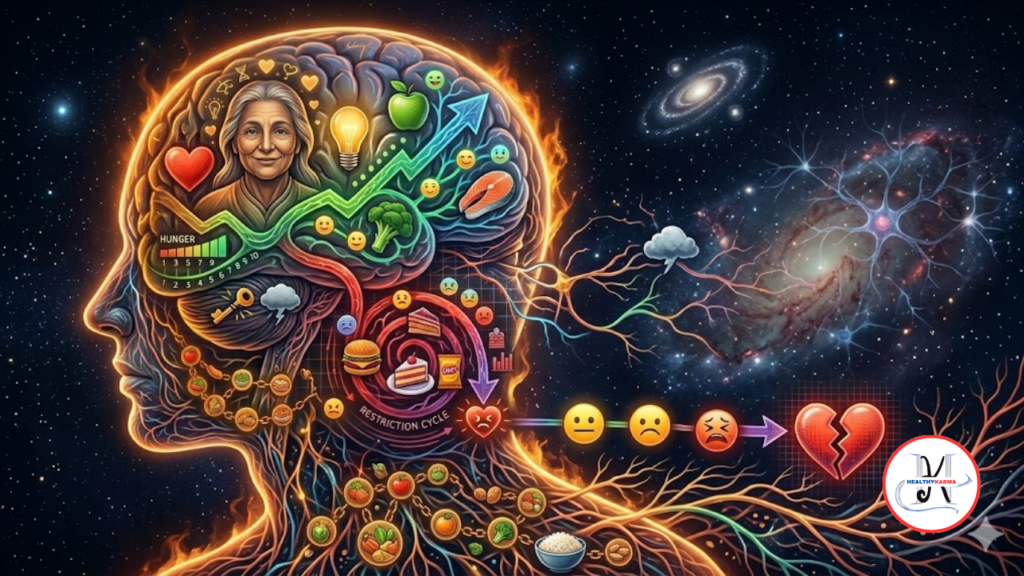
You may have heard the statement millions of times before: “You are what you eat.” But did you know your brain listens and interprets every component of the food that you put on your plate daily? Just like the other parts of the body, the brain thrives or declines based on the nutritional value of the foods that we put daily on our plate.
Contrary to popular belief, supporting a healthy brain doesn’t mean relying solely on pills once you cross the age of 50 and above. Managing true brain health starts with smart food choices.
Research on brain specific diets like the MIND diet shows that diets rich in specific foods can slow down cognitive decline by up to 53% in adults over 50, depending upon the type of foods that you feed the body with.
Importance of brain boosting foods after 50 for brain health
As the physical body starts aging naturally, subtle changes in brain structure and function also start developing, often go unnoticed until memory lapses or mental fog appears in the brain.
Though cognitive decline as part of the natural aging process, isn’t inevitable, it can definitely be reduced or delayed. Results from studies on mental health show that diet after the age of 50 plays an important role in boosting the brain’s health levels over time.
Why diet drives brain health: The science behind brain boosting foods after 50
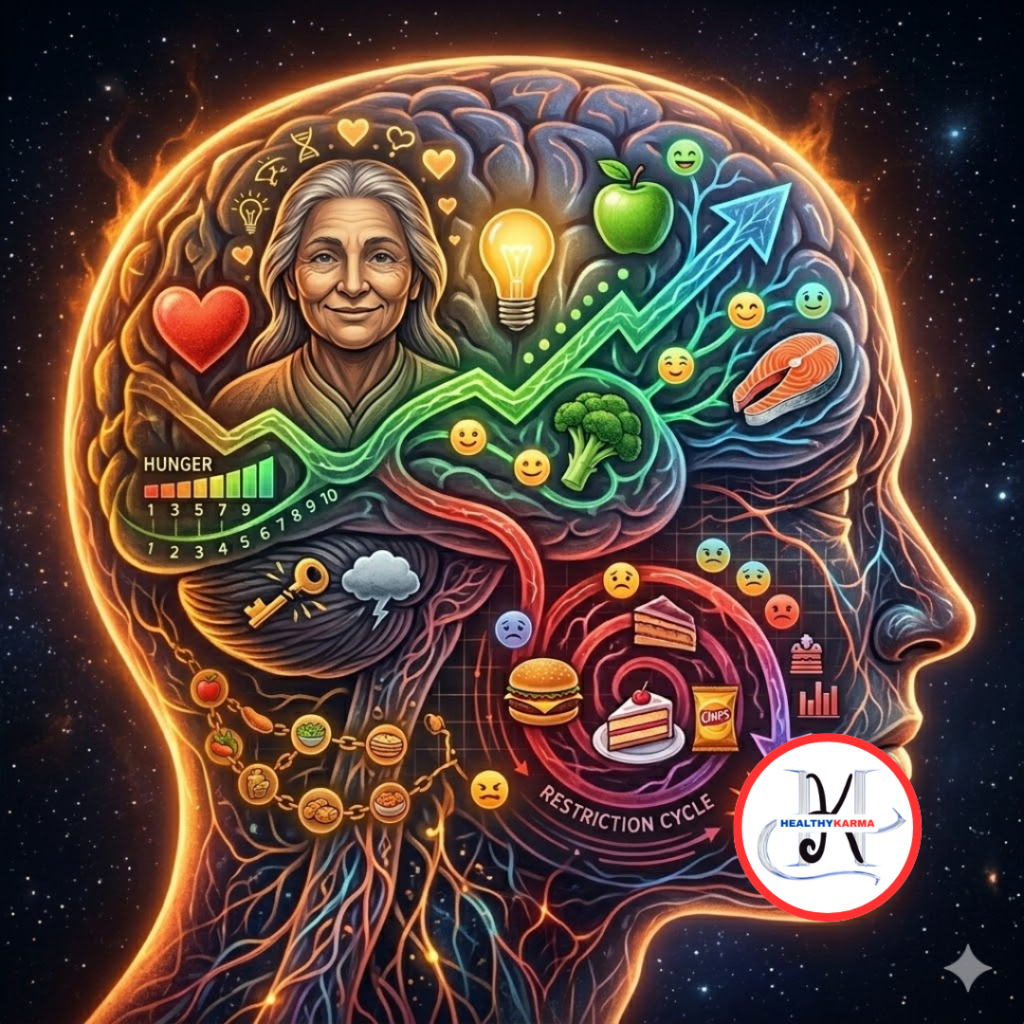
Even when in a state of rest, the brain consumes 20% of the body’s energy needs, Once the physical body crosses the age of 50, the occurrence of natural factors like oxidative stress, inflammation levels, and shrinking brain volume accelerate decline in brain health.
A recent study on neurology linked poor diets to a 30% higher dementia risk in the case of adults crossing the age of 50 and above.
Nutrient rich foods help build cell membranes, neutralize free radicals in the cells, and lower levels of homocysteine (a dementia-linked amino acid).
Different types of diet such as the MIND diet, which is a hybrid of Mediterranean and DASH diet prioritize on the consumption of nutrient rich foods that are beneficial for managing cognitive health levels. Dietary studies show that consuming these types of diets on a regular basis reduce the risk of Alzheimer’s by 35-53%.
Different types of nutrients like omega-3s, antioxidants, B vitamins, vitamin K and different macronutrients help manage brain cells, by fighting inflammation and manage the levels of oxidative stress, which are the causes of memory loss and diseases like Alzheimer’s and Dementia.
The good thing is that you can influence the level of mental health naturally through smart eating choices. No more pills and supplements, just healthy dietary choices.
brain boosting foods after 50 to be put on the plate
If you are a sea-food connoisseur, what would your favourite type of fish be. Fatty fishes like salmon, mackerel, sardines, and herring contain omega-3 fatty acids, specifically DHA (docosahexaenoic acid) and EPA (eicosapentaenoic acid). Omega-3 fatty acids form nearly 60% of the amount of brain fat and help with reducing inflammation and support neuron growth.
Omega-3 fats are the main building blocks of brain cell membranes. A recent neurology study conducted in 2024 found that those who ate fatty fish every week reported 20% slower memory decline.
Pro tip for brain health: Eat 2-3 servings of fatty fish weekly. Recipe: Baked Sardine Curry (Fresh/tinned sardines, with coconut milk, 15 mins prep).
Following a vegetarian diet? No problem. Flaxseeds (Known as Alsi in India), enhance brain health with their range of nutrients that include omega-3 fatty acids and digestive fiber. Just pop in a handful of roasted seeds as a quick snack or top it up with your breakfast bowl of oats for a nutritious breakfast.
nutritional research shows that...
- Adults over 50 with higher omega-3 intake show better memory performance once they age naturally.
- A daily intake of 800 mg of DHA/EPA improved memory scores in people with mild cognitive impairment and even boosted IQ levels over a six-month trial.
- Omega-3s also help managing the levels of brain inflammation, that is a key reason for the occurrence of neurodegenerative diseases like Alzheimer’s.
attractive aging without the brain drain: berries that shine daily
How many times do you grab an apple or a banana when hunger strikes? Why not try berries instead?
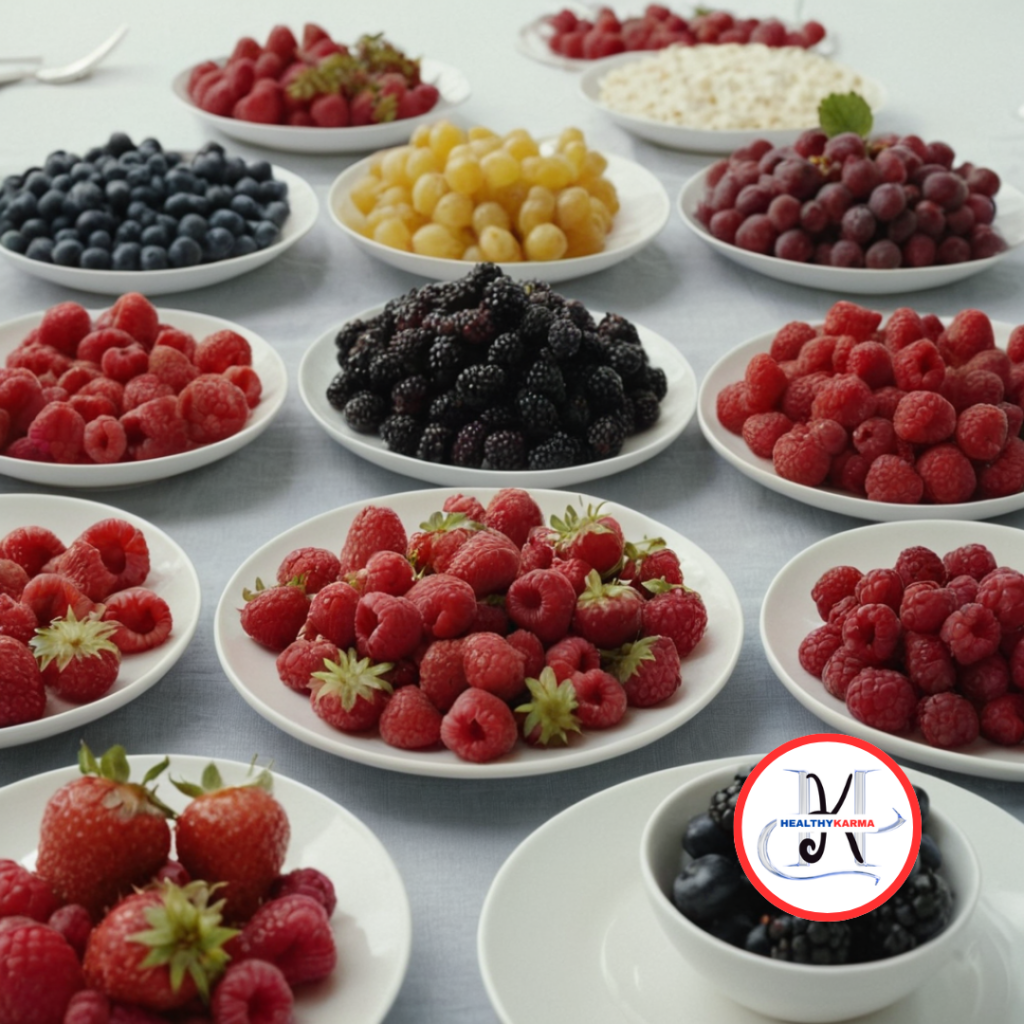
Berries are an excellent heart-healthy source of foods due to their high nutritional content in the form of antioxidants, fiber, and macronutrients in the form of polyphenols like anthocyanins.
Blueberries, strawberries, raspberries, blackberries and local varieties like jamun or amla provide the anthocyanins that are required by the body to combat oxidative stress and LDL oxidation.
Besides, they also contain other nutrients like digestive fiber, vitamin C, folate, and potassium in varied quantities, which help manage other health parameters like cholesterol levels and blood pressure.
The nutrients present in these berries help with reducing inflammation levels, and lower cardiovascular risks at a higher age, besides managing brain health. A recent mental health tracked 12,000+ seniors: Daily berry eaters scored 2.5 years “younger” on cognitive tests. One cup/day delayed short-term memory loss.
Indian berry hack for a monsoon smoothie to keep away cough and cold: Blend amla juice with ginger, cardamom, and cloves for a monsoon smoothie that is rich in vitamin C for protection from cough and cold, a common occurrence during the rainy season.
Add berries to your morning oatmeal, smoothies, or yogurt, even the frozen ones to work wonders on your long-term health with the start of a power packed day!
nuts & seeds: the ultimate plant based brain boosting foods after 50
If you’re a vegetarian, the nuts and seeds that are grown naturally provide plant-based nutrition for your brain. Natural bounties are a rich source of nutrients that include ALA (alpha-linolenic acid), a type of plant-based omega-3 acid that your body can partially convert to DHA/EPA, when processed by the chemicals that are present in the body.
They also contain large quantities of vitamin E and other antioxidants that help age-related shrinkage in the brain cells. Regular consumption of nuts, walnuts in particular, is linked to better cognitive test scores in older adults. Deficiency of Vitamin E is one of the major factors associated with accelerated cognitive decline in the brain, particularly after the age of 50 and above.
Tip: Sprinkle ground flaxseeds on cereal or blend walnuts into homemade energy bites.
the power of greens for boosting brain health after 50
Ask any dietician, and he wouldn’t any diet that does not consist of greens, whether it is weight loss diet or a diabetic diet. In older age, nutrients like folate, vitamin K, beta-carotene, and lutein help support cognitive health by slowing down the process of cognitive decline in the brain.
Studies on mental health and Aging revealed that a high-green diet cut down cognitive decline and increased the longevity of the brain by more than11 years. Leafy greens are basically versatile super foods that help other processes in the body besides managing brain health as the contain the right amount of nutrients and are easy on the stomach and the digestive systems.
Easy idea: Sauté greens with garlic and olive oil, or blend into soups and pasta sauces (great for sneaking into kids’ meals without fuss!).
targeted supplementation as and when needed
While a healthy diet is the precursor to managing a healthy lifestyle, some types of bodies need extra support in the form of additional supplements, especially with growing age.
The reason is that once the body ages, absorption levels of certain nutrients that are present within the body like for example, B12 starts declining on its own, particularly after 50, and therefore the body misses certain key nutrients once the dietary restrictions come into place with the modified eating habits.
Related: Healthy recipes minus the boring meals.
Some of the key supplements that are required by the body (with approval from medical experts):
Omega-3 (fish oil): In the case of a body that is used to a vegetarian diet plan, the body may be deficient in Omega-3 acids, as it is primarily found in fatty fish. Though there are natural forms of Omega-3s in the form of nuts and seeds, they may not be sufficient and may require supplementation in the form of fish oil or capsules containing fish oil.
B-complex vitamins: Different types of B-complex vitamins like B6, B9, B1, tend to decline with age and lead to homocysteine levels, which is one of the risk factors for causing dementia in the body. Therefore, B-complex supplementation is required in the form of capsules for reducing dementia risk.
Vitamin D: Vitamin “D” is referred to as the sunshine vitamin and supports many functions of the body. The levels of vitamin D tend to decrease with age and most older adults are often deficient in levels of vitamin D. Sufficient levels of vitamin D are important for supporting neuron health in the body.
One needs to always remember that though supplements are an important source for meeting the nutritional requirements of the body at an older age, they cannot replace a healthy diet plan as the body’s nutritional requirements cannot be met by external supplements alone.
a healthy lifestyle goes beyond brain boosting foods after 50

Diet is no doubt a powerful aspect of managing a healthy lifestyle, however, it’s just one piece that fits into the puzzle. True brain flexibility and development at a later age comes from managing a holistic approach towards a healthy lifestyle that goes beyond nutrition.
The human body consists of nearly 70% of water and therefore managing adequate hydration levels in the body in the later stages of life assumes more importance for managing brain health and other systems in the body, particularly the endocrine system.
Research shows that in the later ages, even mild dehydration, particularly during summers impairs focus and memory levels, sometimes even leading to hallucinations.
Maintaining healthy sleep habits assumes importance, particularly in the later ages, as the body’s metabolism levels undergo a change and the body tends to get tired faster.
Therefore, the body requires adequate levels of rest in order to carry out its functions effectively. In order to keep your brain a clean house, free from stress, at least 7-8 hours of undisturbed sleep is necessary in the case of older age.
Exercising, particularly mild cardio exercises like brisk walking and swimming, even after the age of 50, help to boost blood flow to the brain and stimulates the nervous system in the body as aerobic exercises tend to stimulate and promote the growth of new neurons in the body.
Stress management plays an important role in any lifestyle, as it tends to affect the blood pressure levels that are one of the risk factors associated with heart disease at a higher age. Chronic stress levels in the body shrinks the hippocampus (memory centre) of the brain, leading to conditions like dementia. Excessive flow of blood to the brain due to rising blood pressure is one of the most important risk factors that is associated with heart disease and brain stroke.
final thoughts
Managing a healthy lifestyle that includes both physical and mental health, is more about consistency, and making the right choices through the right set of habits whether it is diet or exercise rather than being perfect about eating the right diet.
Start with making one right choice, be persistent with it by sticking to it for the long term, and you are on the way to a lifestyle that defends your brain. Your future self with definitely thank you for making the right choice at the right time.
related: you may also like
3 Silent Signs You're Not Eating Protein After 40
shaping your weight by shaping your plate
Staying Fit & Healthy Over 50
DISCLOSURE:
Clicking on affiliate links on the page and making a purchase entitles us to a small commission without any additional cost on your end. Irrespective of the amount of commission, our endeavour is to provide value to our esteemed readers, rather than the monetary value of the commission. Thanking you in advance.