Breaking the Stress-Eating Cycle After 50
Have you ever reached for your favourite brand of cookies the moment the clock strikes 3 pm, even though you had a heavy lunch around 2 hours back? Or finished a bag of chips while scrolling through the channels on your idiot box, and all of a sudden felt guilty for “failing” again on your commitment to your weight loss goals and wondered if you’re the only one who struggles this way? Well, you’re not alone. There are thousands of men and women who fall prey to stress and take to food as a stress reliever.
If you’re over the age of 50, or have just entered the menopause years, emotional eating isn’t just about managing the stress levels. It has got to do more about your personal needs, that you have neglected through sacrifice by putting the needs of everyone else in your family first. It’s just your body that’s responding and asking for your care after having felt neglected all these years.
Why starving your body by just dropping your favourite foods from the plate just does not work.
If you feel that your can take on the scale with your willpower, then it’s a myth. When the levels of cortisol in the brain runs high (the stress hormone present in the body) the brain craves quick comfort, and the easiest elements that are around are usually sugar, salt, or fat. This is the body’s science at work.
And restrictive diets? The body hates them and they backfire as the body cannot accept them. The body’s system work in a systematic circular cycle. Deprivation leads to ⇨ Cravings ⇨ Guilt ⇨
More Stress ⇨
Repeat
What then is a Better Way Forward
Real change starts with being aware about your body and it’s needs, not punishing it by going hungry and starving. Ask yourself gently:
- 📌 "Am I really hungry or just overwhelmed"?
- 📌 "What are my body's real needs right now? hunger? rest? or just a rejuvinating break"?
- 📌 "How can I honour and accept my feelings about my body right now without guilt or shame"?
Small Gentle Lifestyle Shifts That Break The Cycle

📌
The H.A.L.T. Check: Before eating, pause and ask yourself these questions?: Am I really Hungry, Angry, Lonely, or Tired? If it’s not hunger, try a 5-minute walk, deep breathing, or calling a friend.
📌
Protein + Fat = Calm Cravings: Both protein and healthy fats have the ability to prevent the excessive surge of blood sugar levels in the body, due to the increased levels of cortisol in the body. Grabbing a handful of almonds or a small bowl of Greek yogurt topped with slices of your favourite fruit, be it apples or berries, helps stabilize blood sugar levels in the body and reduces the urge to binge between meals.
📌
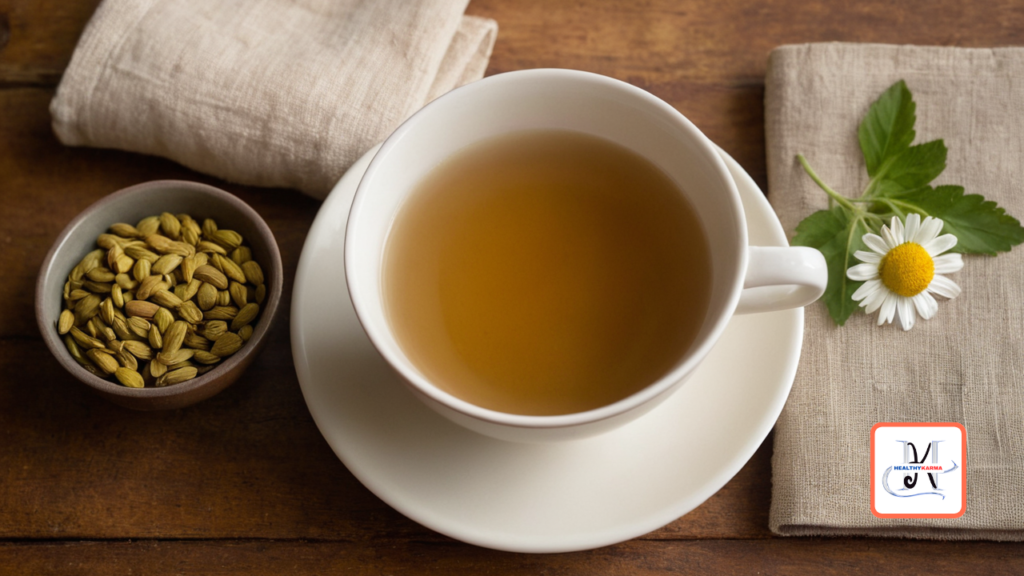
Keep a “Mental Soothe Kit” handy at all times: Keep non-food comforts handy at all times: herbal tea, a soft blanket or your favourite soft toy, your health journal, or your favourite piece of calming music that reduces your stress levels. When you are stressed, going for a quick walk or hitting the gym also works on managing the cortisol levels.
Going Deeper: A Nutritionist's Compassionate Guide
If you’re ready to understand the why behind your patterns—and build sustainable peace with food—I’ve written a detailed, judgment-free resource just for women like you.
In “Emotional Eating: A Nutritionist-Based Approach,” you’ll discover:
- 📌 How menopause and stress levels in the body reshape the hunger signals in the body.
- 📌 Why and how "Intuitive eating" works differently on the body once you cross the age of 50.
- 📌 Simple meal ideas that reduce food cravings naturally without having to put willpower to test.
- 📌 How to reframe the guilt about eating habits into self trust.
The easy way to enjoy your lifestyle after the age of 50

If you’re over 50, you may have noticed that things don’t feel quite the way they used to when you were younger. Your diet hasn’t changed, your exercise routine hasn’t changed, your sleep patterns are the same, yet you still experience afternoon energy crashes, morning stiffness in your joints, and similar symptoms that drag your energy levels down.
You’re not dreaming it. These changes are real, and they’re based in biological changes that are happening in your body’s natural clock.
Our bodies naturally change as we age, that can have an impact on our health on a daily basis. Many men and women start to feel less energetic after the age 50, due to the physiological change in their body’s structure.
Once the body crosses the age of 50, different types of bodies experience a series of natural but impactful shifts that include:
📌
Shifts in the levels of growth hormones that include the likes of testosterone.
📌
Metabolism levels in the body slow down by about 2–5% every decade, making weight management more challenging once the body starts aging. That is why women find it more difficult to lose weight once they reach the peak of their menopause years.
📌
Research shows that muscle mass decreases by up to 3–8% per decade, affecting strength and balance once the body ages.
To sum it up, generic advice like eating healthy and regular exercise doesn’t address the specific needs of someone managing life after 50. That’s exactly the reason why 50+ Health Toolkit can be a useful aid, not as a quick fix, but as a practical, scientific guide to help those in their 50’s or approaching their 50’s adapt to their lifestyle with confidence.
Managing a healthy lifestyle after the age of 50 is more about optimizing health levels more than anything else in order to live fully satisfied lives and feel young once the body starts aging in its natural form.
The healthy way to enjoy your sugar cravings after the age of 50 without having to give up your favourite desserts

Let’s face it…following any weight loss diet is no piece of cake as it is takes a lot of commitment and discipline in order to maintain it. This is more so true for restrictive diets like the keto diet that restricts the intake of carbs. Most carbs contain processed sugars and preservatives that are the primary cause of weight gain.
I mean, while being on a restrictive diet, you pretty much have to cut so many of your favourite and delicious foods by depriving and starving yourself.
I know, because that’s exactly experienced while following a diet plan that restricted the intake of certain types of foods.
I lost 21 pounds while I was on the diet, and was on the top of the world, till the time I realized that I gained it all back, perhaps more, once I went off the diet plan!
While on the diet plan, one thing I forgot was the major weakness that I had in my personality…that derailed all the efforts that I had put in all these weeks. My undying love for sweets and desserts.
At times the sensations were so strong that I couldn’t resist it any more.
I began to sneak in sweets throughout the day. I just couldn’t resist the urge to eat something sugary!
It was like I just couldn’t control my rampant cravings that were going wild throughout the day.
It was like a nightmare. I was repeatedly rebounding back and forth on the scale, like a yoyo, losing weight and gaining more weight, all depending on whether I could control my cravings for sugar.
At times, I felt like giving up on the diet and just eat whatever I wanted. At that point in time, I just couldn’t think about my health and all the efforts and that I had already put in all these months to achieve my desired weight
Having crossed the age of 50, and following a moderately easy lifestyle, the rebound weight gain on the scale began to affect my body pretty hard….With rising blood pressure levels and blood sugar levels, I had to make a tough choice…
Reduce my intake of sugar voluntary or, suffer the pain of being a diabetic where permanent restrictions would be placed on the intake of sugar and its ingredients…
I was in a dilemma, and with no solution in sight, I thought that I was doomed for life!…Until
Till the time I shared my concerns with my spouse and she provided the solution that I was looking for all the time!
I was really shocked when she offered me a piece of the most decadent looking chocolate cake that I couldn’t resist!
She shared her research about a revolutionary concept that had helped thousands of men and women enjoy their favourite desserts without having to worry about their concern for their sugar levels.
why the body needs a green switch
Once we cross the age of 50, it is a warning sign that it’s time to get serious here… particularly when it comes to eating and managing the body’s health.
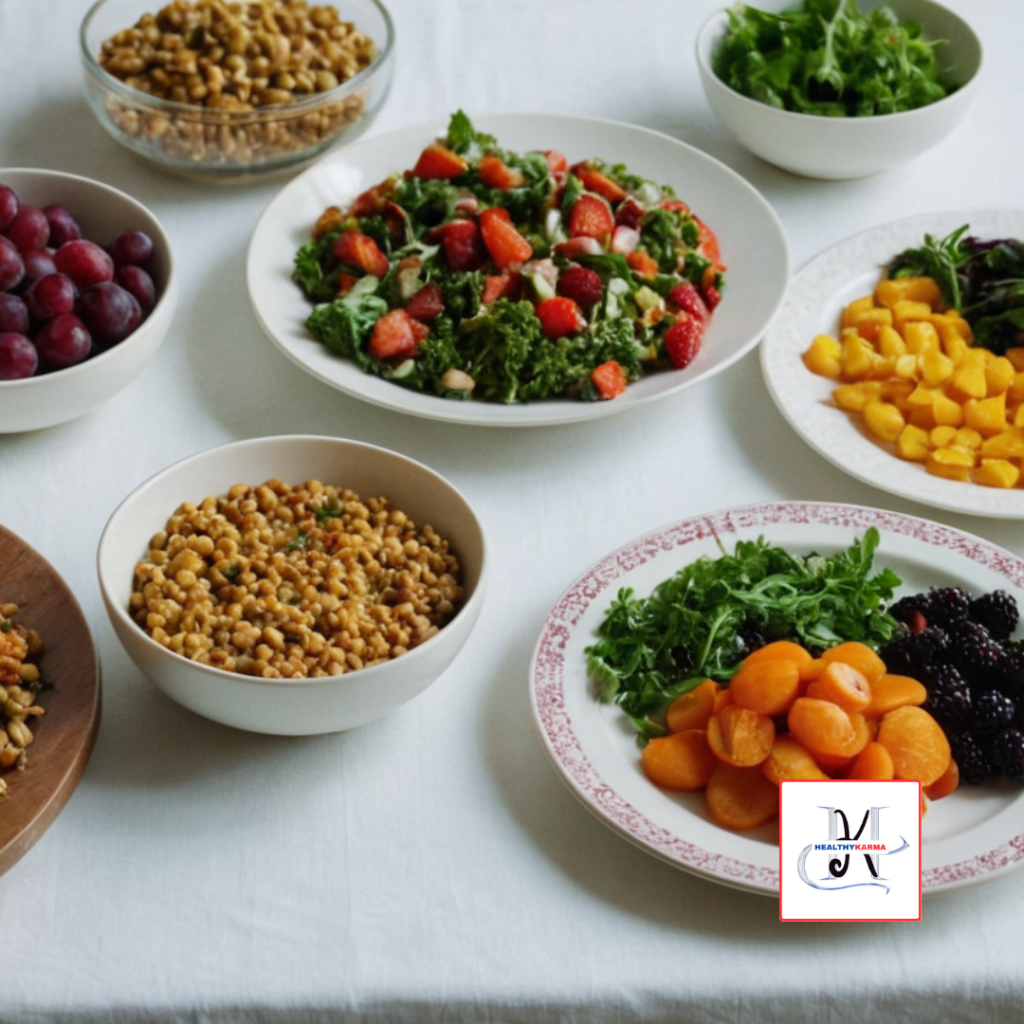
According to research, the number of persons adopting a vegan diet has increased by 600%. A majority of senior citizens, particularly those over the age of 70 and above, chose to shift their dietary preferences in favour of a vegan based diet in order to increase their longevity and reduce the impact of health issues.
Millions of years ago, till the time that modern man discovered fire and developed skills to hunt, he relied on berries and fruits that he could easily pick from trees and plants for his survival. A plant based diet is as old as civiilization.
Today, people from all walks of life, with the modern day lifestyle and the discovery of diseases that are being caused due to consumption of meats and animal products, more and more people are rediscovering the joys of plant-based cuisine, including influencers, celebrities, and athletes.
the health benefits of going green on a diet plan
- 📌 Getting better and faster results on a weight loss plan.
- 📌 Reducing the risk of lifestyle based diseases like blood pressure and diabetes.
- 📌 Combating obesity and related disorders at any age whether 8 or 80.
- 📌 Better levels of skin and hair care.
- 📌 Reducing the risk of cardiovascular disorders in the body due to lesser consumption of unhealthy fats.
- 📌 Clean and easy lifestyle that is beneficial even for growing children.
After age 50, stress makes your fork move faster than your thoughts. But what if you could stop the pattern without having to fight your will?
Contrary to popular opinions, stress eating definitely is not a reaction that is related to your will power, it’s a natural response generated by the body’s nervous system. In order to tackle stress eating, one needs to identify the trigger whether it is a chemical imbalance or an emotional void that is responsible for the habit. Emotional Eating: The Nutritionist’s Approach decodes your body’s emotional impulses to different types of foods.
After the trigger has been identified the next step would be to rewire the reaction to the trigger in such a manner that it reduces the impact of stress on the body. Learn more about rewiring the emotional reactions to any type of stress in Mindfulness & Stress Management.
DISCLOSURE:
Clicking on Affiliate links and making a purchase through the links entitles us to a small commission, with no extra cost from your end. However, irrespective of the commission, our commitment to provide value our readers stands absolute and there shall be no compromise. Thanking you in advance.

Join our community real food talk after your 50's flow

Reveal what your plate's whispering