
3 Silent Signs You’re Not Eating Enough Protein After 40
disclosure:
Clicking on affiliate links in the blog and making a purchase may entail a small commission to us without any additional cost at your end. This is the only way where we are able to add value to our readers by recommending products that have been tried and tested. Thanking you in advance.
Are you over 40 and have suddenly started noticing sudden unexplained changes in your body such as sudden fatigue, thinning hair, or that the clothes lying in your closet that you have not worn for some time now suddenly fit tighter when you have not changed your dietary habits and have been “eating less,” it might not be the number of calories it could be that your body is protein deficient.
For the time being, keep your bodybuilding myths aside. Once the body starts aging naturally, and crosses the age of 40, the role of protein as a nutrient in the body isn’t only about building muscle, it’s more about preserving the body’s strength, energy, and resilience levels as you start aging naturally.
And yet, many women quietly fall short on managing the protein levels in their bodies, due to their eating habits, especially if they’ve cut back on meat, dairy, or eggs in their daily diet without replacing the protein levels thoughtfully.
The good news? You don’t need to invest in expensive protein powders or perfection in your diet plan. All that is required are just a few smart, real-food shifts that can restore the nutrient balance in the body in a natural and sustainable manner without having to resort to crash diets and weight loss boot camps.
Let’s explore the 3 silent signs of low protein after 40 that are killing your body and the simple fixes that have actually worked for women of all ages all over the world
Sign #1: Unexplained Weight Gain or Stubborn Belly Fat
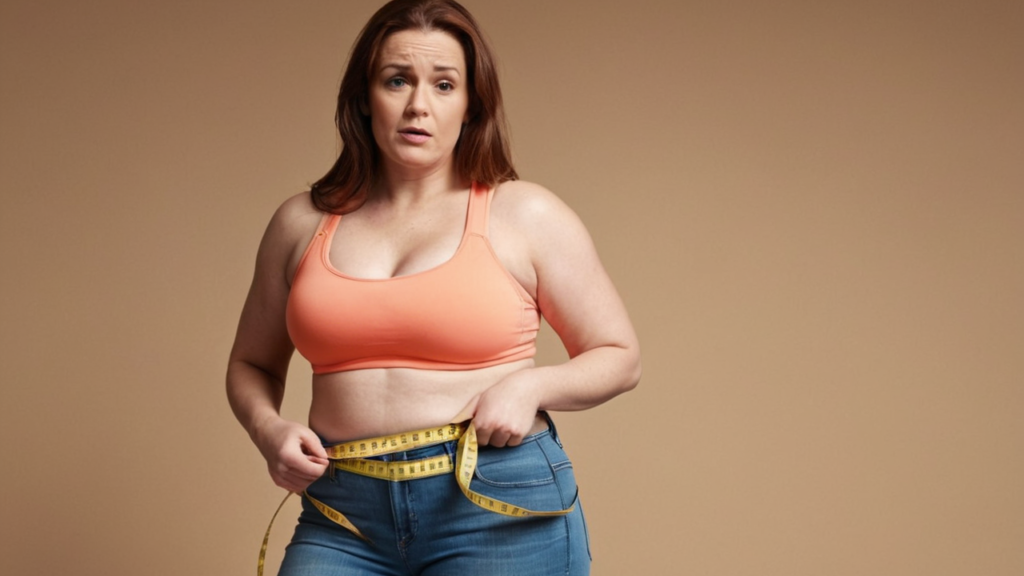
You assume that you’re eating “healthy,” yet the scale won’t budge, or worse, for that matter, you’re gaining weight without you even realising it. Your favourite clothes that you loved to wear some time ago, have suddenly started getting tighter. Why?
The reason lies in your study of biology. The human body, after the age of 40, naturally starts losing 3–5% of muscle mass per decade on an average, through a biological process in the body called “sarcopenia”.
The muscles in the body contain metabolically active tissues and the higher the level of tissues that you have in the body, the more the number of calories that the body burns when at rest.
That is why you may have observed many times that some people keep eating all the time, yet never seem to gain weight beyond a certain level. To understand that you need to understand how your body functions once it receives the level of nutrients that it needs.
When the level of protein intake in the body is low, or falls below a certain level, the process of “sarcopenia” accelerates faster, slowing down the body’s metabolism levels. The result? The body is able to burn fewer calories when at rest, thereby increasing the levels of fat storage (especially around the midsection and the hips), leading to frustrating weight plateaus.
A landmark study in The American Journal of Clinical Nutrition found that women over the age of 40, consuming less than 0.8g of protein per kg of body weight lost significantly more lean muscle mass over a period of 5 years than those who ate more protein, even when the total number of calories consumed by the body remained the same.
to fix the issue
Ensure that foods you eat throughout the day provide at least 20–30g of pure protein per meal. For e.g. Having a breakfast of Greek yogurt, with a topping of berries and chia seeds provides around ~20g of quality protein that is sufficient to fuel the body till lunch time.
Lunch that consists of a bowl of Lentil soup along with a side salad constitutes + ~25g of protein per serving.
Dinner, being on the lighter side consisting of Baked salmon, quinoa along with roasted veggies provides ~30g of pure protein.
Pro Tip: Pair plant proteins with the right amount of carbs to form a “complete” balanced diet with all the essential amino acids. For e.g. Rice (Carbs) Can be paired with beans (protein) or lentils.
Sign #2: thinning hair brittle nails & dull skin
Have you noticed that your hairbrush is full of hair than it used to earlier. Your nails have become so brittle that they immediately snap if you open a bag of chips. Your skin lacks that natural “glow”, and feels dry and itchy even though winter is nowhere near?
These aren’t just normal “aging” signs, they’re classic signs of depleting protein levels in the body, that you need to pay immediate attention to.
Protein, as a nutrient in the body, controls the production of “collagen” in the body that helps keep the skin smooth and moisturized by making it elastic in nature, and “keratin” that manages the health of the hair and nails in the body, besides helping with damaged tissue repair.
These conditions are typically noticeable in the case of women who’ve…
- Switched to plant-based eating by dropping meats from their diet, but don’t plan their meals right with the right protein levels.
- Cut out dairy or eggs from their daily diet without substituting them with the right type of foods that contain protein.
- Rely on carb-heavy lunches for e.g. eating a salad that does not contain beans of lentils, or snacking only on fruits without the nuts.
Sign #3: Constant cravings for carbs frequent energy crashes and 3 p.m. sugar urges.
You have breakfast at around 7 am, and by 11 a.m., you’re eyeing the cookie jar. Or you skip lunch, then devour your favourite brand of chips at 4 p.m because hunger strikes at that time.
Then you start blaming your willpower that you’re not able to alter this unhealthy eating pattern. It’s not about willpower alone, it has more to do with the nutritional aspects of food than anything else. These are hormonal changes that are caused in the body due to the deficiency of protein in the body.
Whenever the body gets a protein rich diet, the gut releases a type of hormone called PYY (Peptide YY), which controls the hunger levels in the body, indicating the brain that your stomach is full.
Besides that, it also helps stabilize and manage the blood sugar levels in the body effectively, which reduces the cravings for sugar and other refined foods, ultimately leading to healthy eating patterns and developing a positive relationship with food.
Scientific evidence shows that those bodies which consume daily meals with a 20–30g protein intake increase PYY levels for 3 hours or more, reducing calorie intake throughout the day by up to 12%. Though it may be a benchmark, the actual results may vary for each individual body.
in conclusion
The bottom line is that protein is you natural anti-aging ally. After 40, one needs to revisit the body’s nutritional requirements and treat protein in a different manner, rather than as only a fitness solution.
And in order to do that, one does not need to invest in expensive supplements, fad diet plans or shakes. Just weave your existing routine around the natural based protein, by keeping things easy and see the results for yourself.
Always remember that a healthy lifestyle isn’t about perfection. It’s about the regular progress that is based on the foundation of healthy lifestyle habits. These daily habits keep building momentum day by day.
you may also like
After spending the entire day at the office, and navigating the traffic on the way home, you start stressing about what to prepare for dinner tonight. Check out meal planning for a healthy lifestyle…
As an individual, do you know what is being served on your plate? Do you know what you are putting on your plate and how much? Is the quantity of food in the body sufficient to maintain your body’s nutritional needs? Check out here…