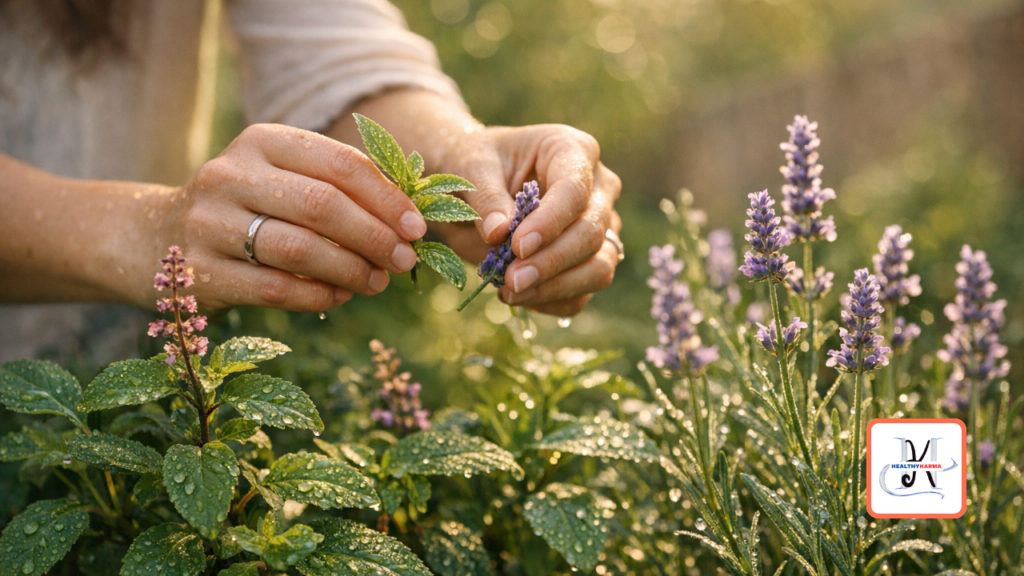
My Remedy Isn’t limited to a Bottle It’s in My own Backyard
No more prescriptions. No more panic. Just nature for calm, clarity, and rest. All ingredients ready whenever I need them. Discover how to grow your own nature’s own remedies in your backyard.
I created this personal medicinal garden because I strongly believe true health is in your own hands and begins where you live, not invented inside a lab, not lying on shelves in a store, but in the soil right beneath your feet, in your own backyard.
Imagine stepping outside at dawn…
The fresh morning air brings in the gentle scent of lavender to your nostrils…The sight of Chamomile gently swaying in the morning air instantly brightens up your mood.
This isn’t just a garden.
It’s your personal pharmacy open 24/7, no matter what is happening around in the world.
Just fresh, living remedies for you to harvest by hand, whenever you need it, anytime of the day or night.
You don’t need acres of land.
All that you need is a windowsill, a pot and the time to invest in your own health!
Welcome to the world of holistic health that roots deep and lasts longer than any expensive pill ever could.
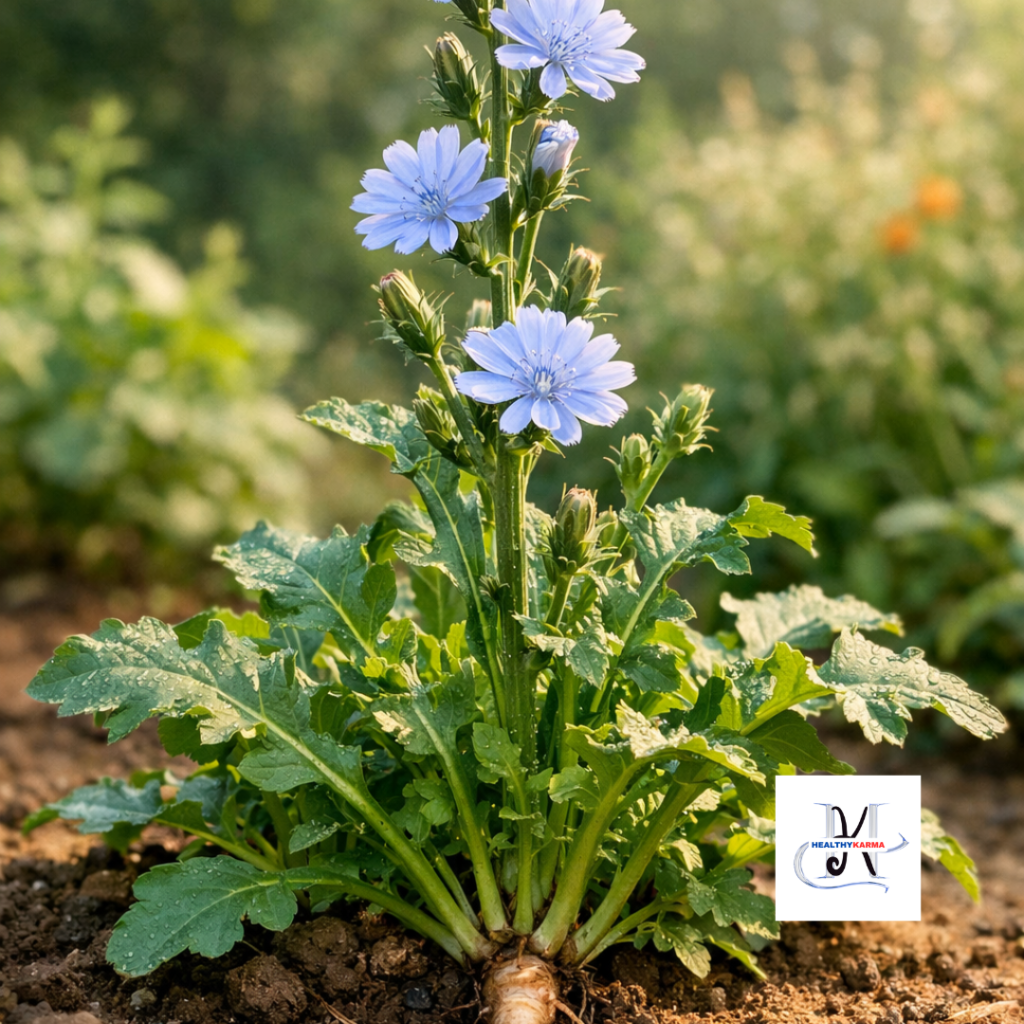
the resilient root of comfort
For generations, wild chicory has been a medicinal and culinary staple for Native American herbalists, not just as food, but also for managing stiffness in the joints and managing the levels of daily exhaustion. They’d harvest its deep taproot to prepare soothing extracts, to relieve the pain and the fatigue levels in the body.
The chicory root contains chicoric acid, a compound that is being studied for its benefits of eliminating pain in the joints and enhancing the processing capacity of the digestive system. And the best part? It grows beautifully in home gardens, offering support when access to pain killers is limited.
🌿 Quick Backyard Remedy
If your pain point is your digestive system, then this is definitely for you. Stir 1 Tbsp of dried, ground chicory root into your morning coffee or herbal tea. As a natural prebiotic, it supports the digestive process as it is a natural laxative, with no harsh effects of pills, just pure natural balance.
🌱 Benefits For The Garden
Chicory is a dynamic nutrient accumulator for the soil; its deep roots mine minerals natural minerals like potassium and calcium that are present in the deep soil, then release them into topsoil as it decomposes, naturally fertilizing your entire garden.
📔 Quick Recipes
📌
Chicory Comfort Salve. 📌
Sinus Clearing Infusion.
📌
Digestive Chicory Coffee Blend.
📌 Adrenal Support Decoction. 📌 Skin Soothing Anti Pollutant. 📌
All recipes use simple, safe methods.
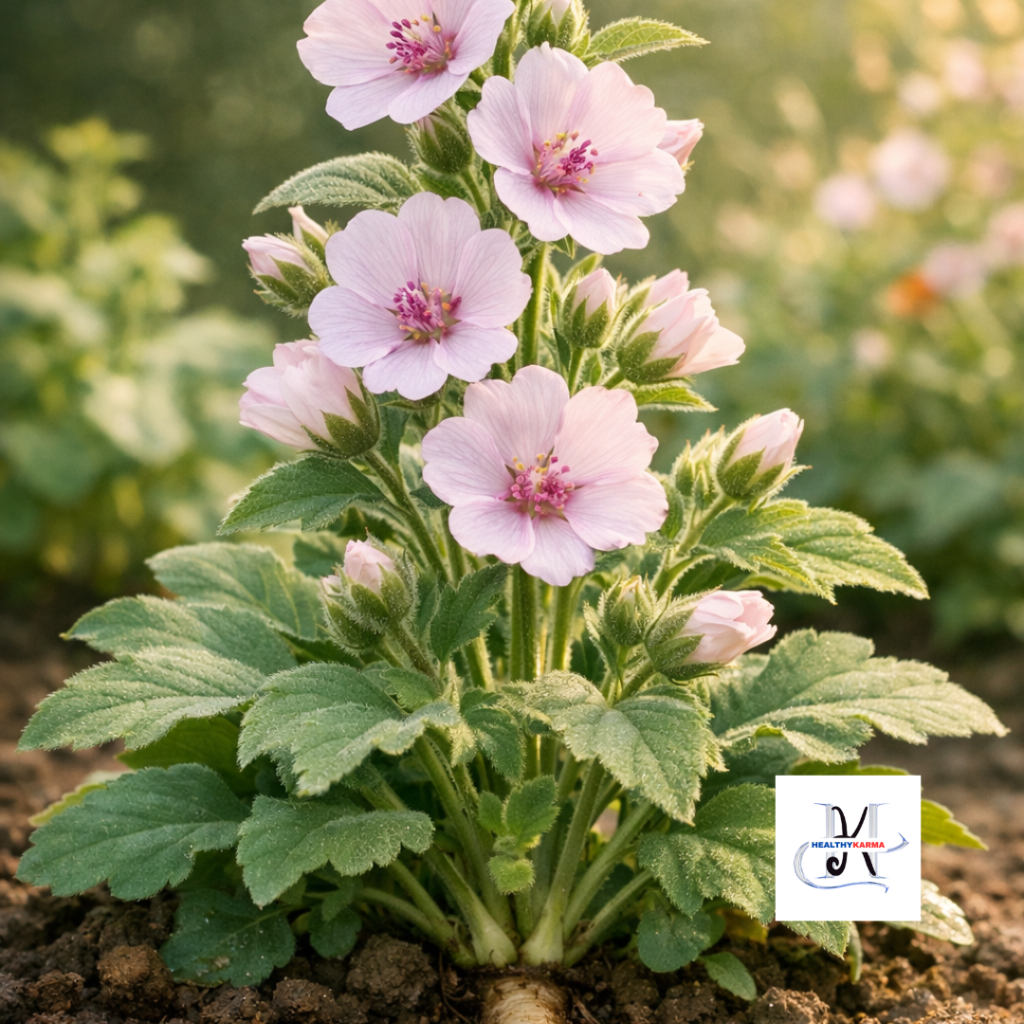
thE soothing embrace
For centuries together, before modern medicine came into the picture, European and Middle Eastern healers turned to marshmallow, not to be confused with the modern candy, but soft-leaved plants grown near their riverbanks, in order to claim relief from irritation levels in the body, and support the management of delicate tissues in the body.
The roots and leaves of the marshmallow contain an ingredient called mucilage, a gel-like substance that contains cooling properties that gently coats and comforts the irritation levels in various parts of the throat, skin, and digestive lining. In times of dryness or sensitivity, within or outside the body, marshmallow offers a natural antibacterial protection.
In the form of a beverage, as the marshmallow mucilage goes down through the digestive tract, it coats the walls of the stomach, the intestines, and colon with an additional protective layer, soothing internal inflammation levels in the body it finds along the way. That’s why this root in the form tea also helps people with stomach ulcers and digestive disorders, such as heartburn, indigestion, constipation, irritable bowel syndrome, or Crohn’s disease.
🌿 Quick Backyard Remedy
Take a few marshmallow roots, wash off the dirt, and add them in a glass jar or a cup, preferably overnight. Cover with ice cold water to let the mucilage seep into the water. Strain and sip this “cold infusion” to soothe dryness levels in the body from the throat to the stomach and the colon.
🌱 Benefits For The Garden
Marshmallow plants attract a lot of butterflies, and native pollinators cover its blossoms all through the summer months.
📔 Quick Recipes
📌
Calming Face Mist. 📌
Throat-Soothing Cold Infusion.
📌
Dry Skin Balm.
📌 Adrenal Support Decoction. 📌 Respiratory Support Syrup. 📌
Cold Root Infusion For Heartburn and Reflux.
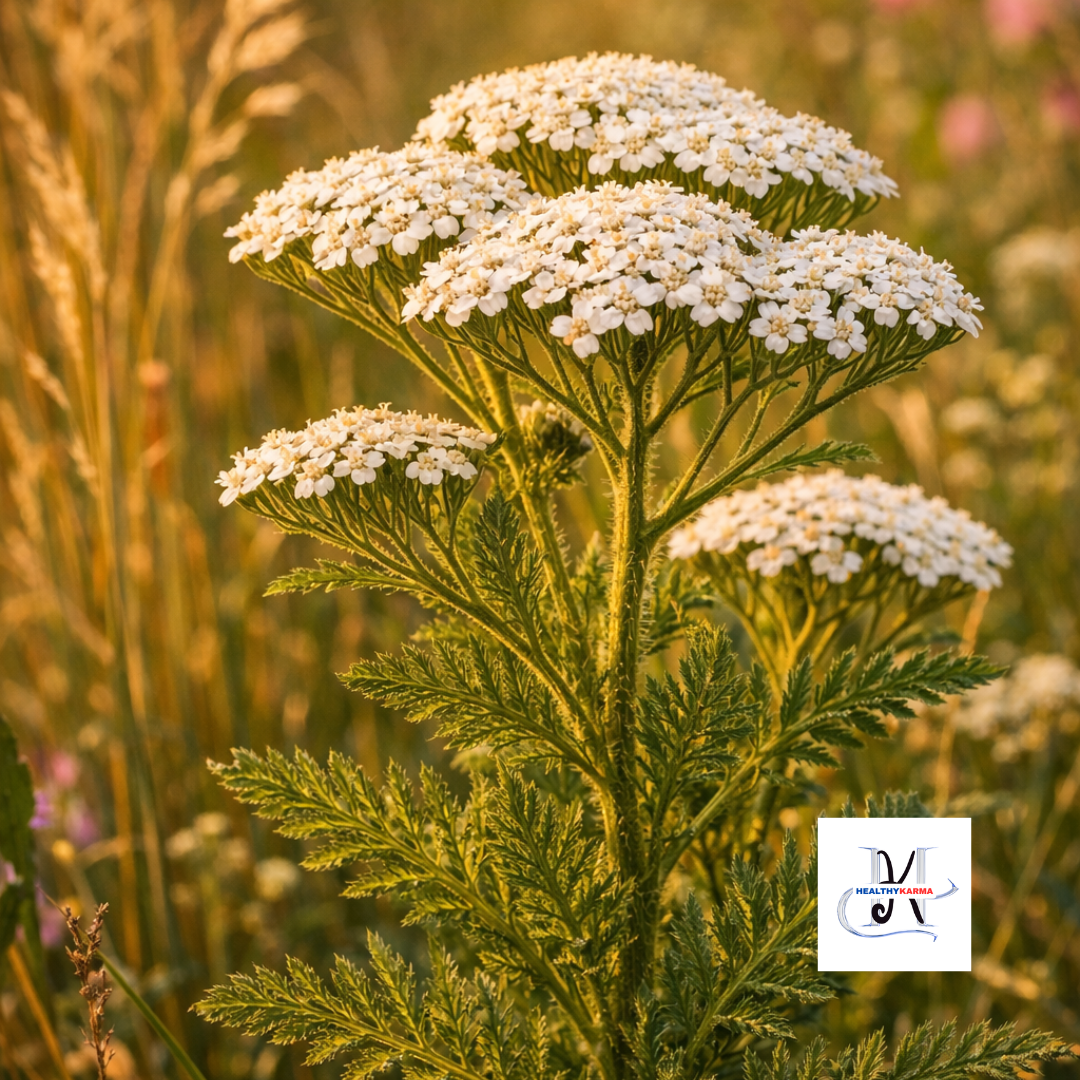
the ultimate backyard wound healer
Accidents can happen anytime and you always want to have a quick and reliable way to stop a wound from bleeding and help prevent infection, especially in situations when there is no medical help around.
Yarrow does both, particularly when there is no medical help nearby. On a trekking trip, I accidentally had a cut on my leg and started bleeding profusely. The wound was very deep and most likely would have gotten infected since I had no antibiotics with me.
Ancient Greek soldiers carried yarrow into battle, for healing their wounds in battle. It was said Achilles used it to stop bleeding and speed healing.
This hardy wildflower, with feathery leaves and clusters of white blooms, had been used across cultures all over the world, before the discovery of modern medicine, for its healing and anti-inflammatory properties. In your garden, yarrow isn’t just beautiful, it’s your first-aid ally in case emergency medical aid isn’t available.
🌿 Quick Backyard Remedy
If you ever suffer from a toothache, and there is no dentist available nearby, try chewing on a fresh yarrow leaf as it will numb the area and provide needed relief.
🌱 Benefits For The Garden
The attract beneficial insects like bees and ladybugs, which feed on aphids and other pests that keep the plant free from pests and also help pollinate other plants.
📔 Quick Recipes
📌
Infused Yarrow Oil for Swelling and Varicose Veins. 📌
Yarrow Tincture for Burns, Cuts, Bruises, and Insect Bites.
📌
Yarrow Elixir for Menstrual Cramps and Heartburn.
📌 Yarrow Salve for Old Scars. 📌 Yarrow Tea for Digestive Upsets.
Get yours today....
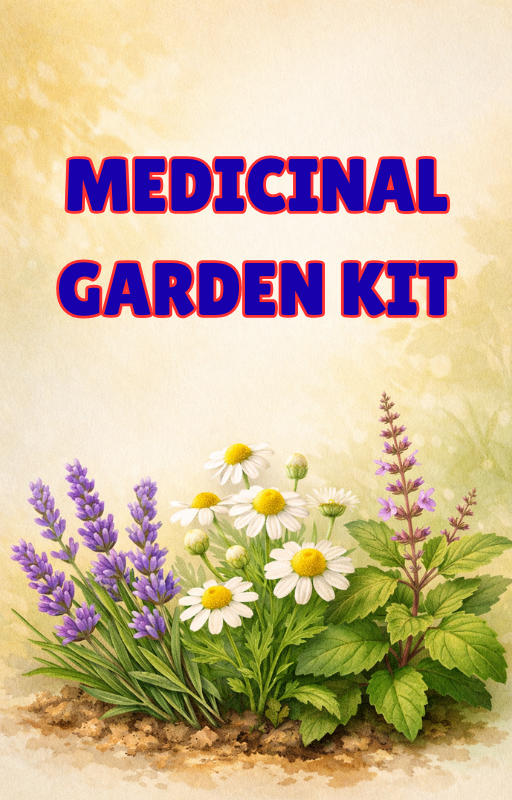
🌿 What You'll Find Inside
📌
Inside your Medicinal Garden Kit, you’ll find 10 smaller packages with each type of seed. NON-GMO seeds packaged right here in the US. 📌
Even if you’ve never planted anything before, you’ll have no trouble growing these 10 plants. You will find details on how to plant, grow, and harvest each one in the free Herbal Medicinal Guide: From Seeds to Remedies that you’ll receive FREE with your Medicinal Garden Kit.
📌
Research shows that the average American spends $1,742 each year at the pharmacy. I think your new backyard pharmacy will save you at least a few hundreds of those dollars. That’s what I call a good investment.
📌 If you want to treat yourself naturally, than this is the medicinal garden you want to have in your backyard.