Clicking on Affiliate links and making a purchase through the links entitles us to a small commission, with no extra cost from your end. However, irrespective of the commission, our commitment to provide value our readers stands absolute and there shall be no compromise. Thanking you in advance.
With increasing challenges in modern lifestyle, the latest fad floating through social media and print media has been the hype surrounding intermittent fasting, which is projected as a magical potion for those looking to lose weight fast and in an effortless manner.
From different methods like the 16:8 method to fasting every alternate day, it’s being promoted like the ultimate, easy “hack” for melting away stubborn belly fat, especially for those who hate exercise or hitting the gym.
However, what we tend to forget is that as we navigate our 40s, 50s, and beyond, our bodies also undergo changes accordingly and are no longer like they were in their twenties.
Hormonal shifts, a naturally slowing metabolism, along with external factors like daily stress (professional or personal), ultimately mean that what worked for others might not work for you and more importantly, it might not be sustainable.
Rather than being a copycat to all the hype being created around, a sensible choice would be to get a holistic understanding about your body. So, in reality, is intermittent fasting actually effective as a long-term strategy for sustainable weight loss? And more importantly, what happens to your body’s systems when you finally decide to stop?
Let’s dive into the science behind the same, strip away the hype, and look at what truly works for lasting metabolic health, based on the individual type of body.
The short answer is: Yes, but with a major catch.
As promoted, intermittent fasting by itself is not magical in nature that gives magical results; it is simply a tool for caloric management in the body that one can use in order to lose weight.
However, for using the tool and getting effective results, one needs to understand the effect of caloric intake that supports your particular body type. During the period of intermittent fasting, by shrinking the window of time in which eating hours are limited, one naturally tends to consume fewer calories.
With this type of action, depending on the body type, for some, this may lead to:
This presents a motivating picture in the short term when one starts seeing results and gets more motivated. However, when we look at intermittent fasting as a long-term strategy, the cracks begin to show, especially for individuals over the age of 50.
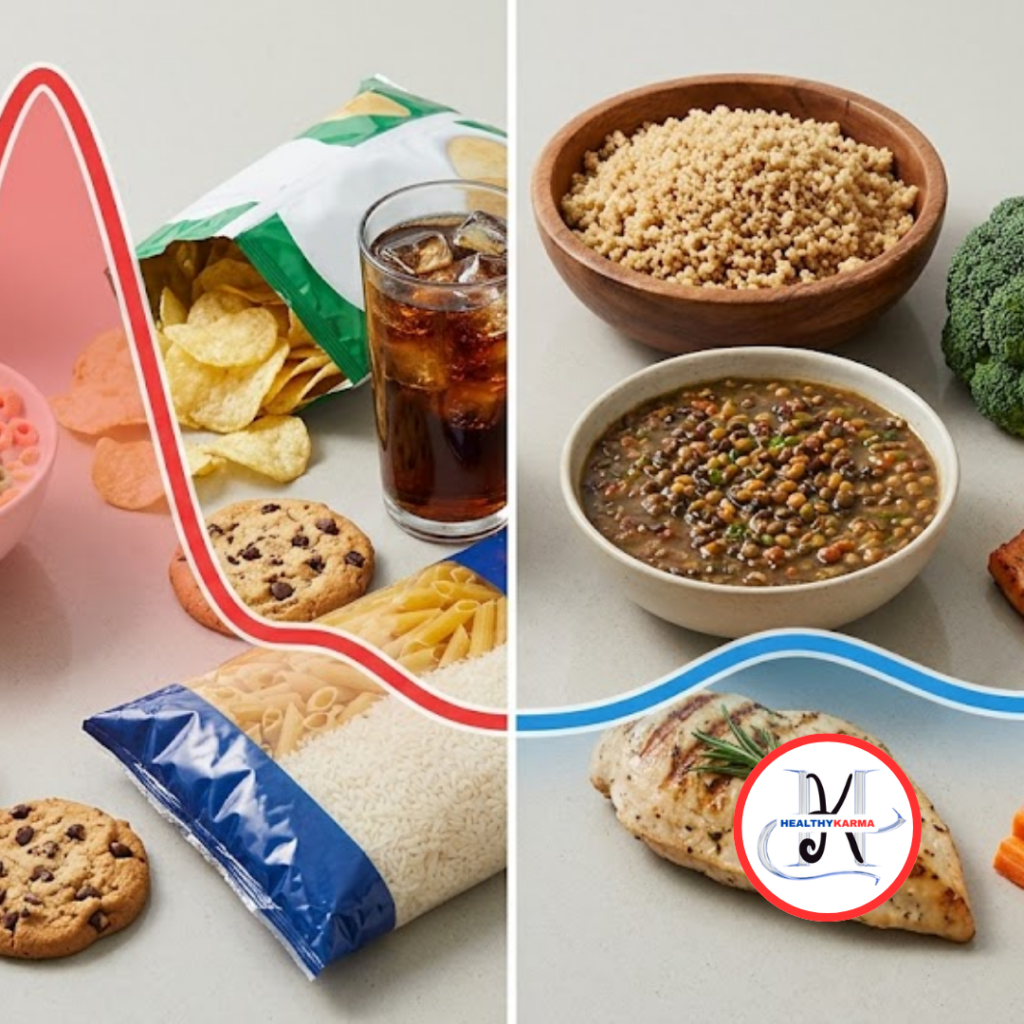
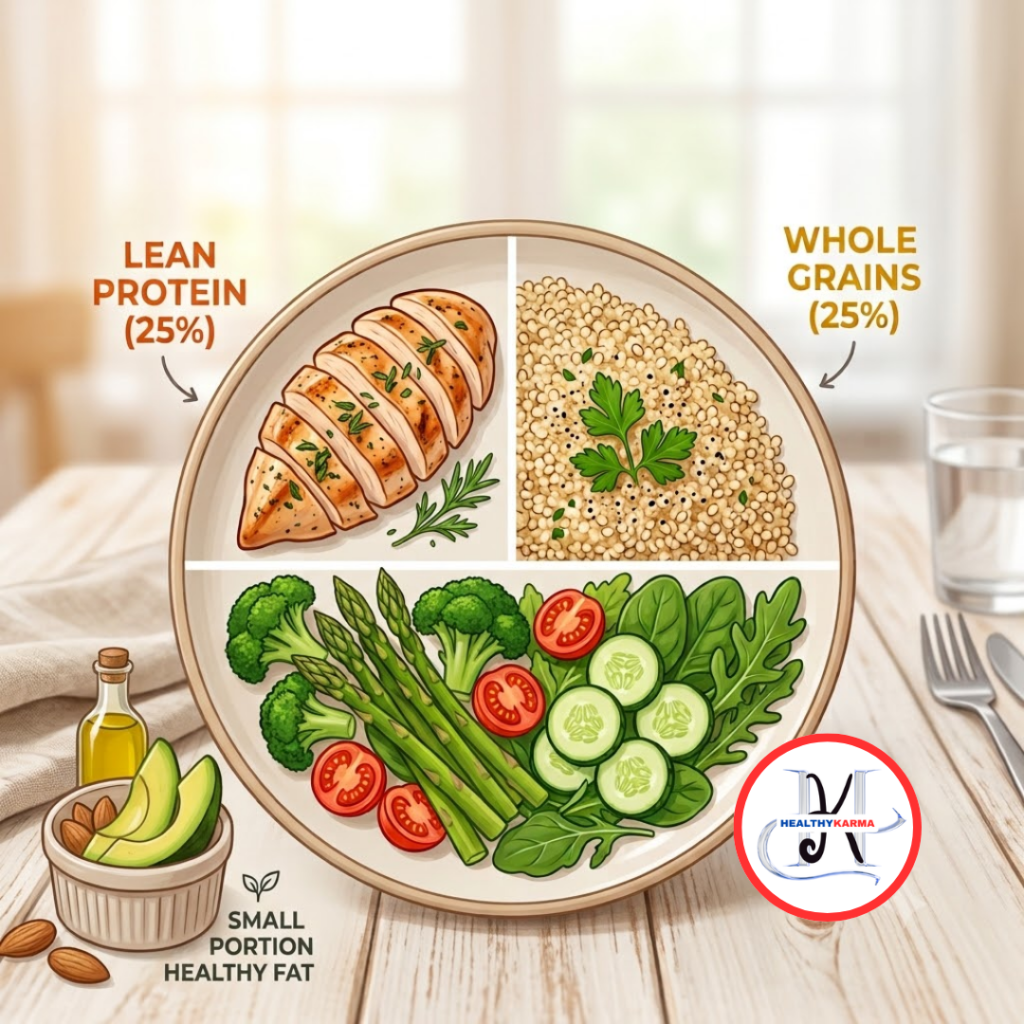
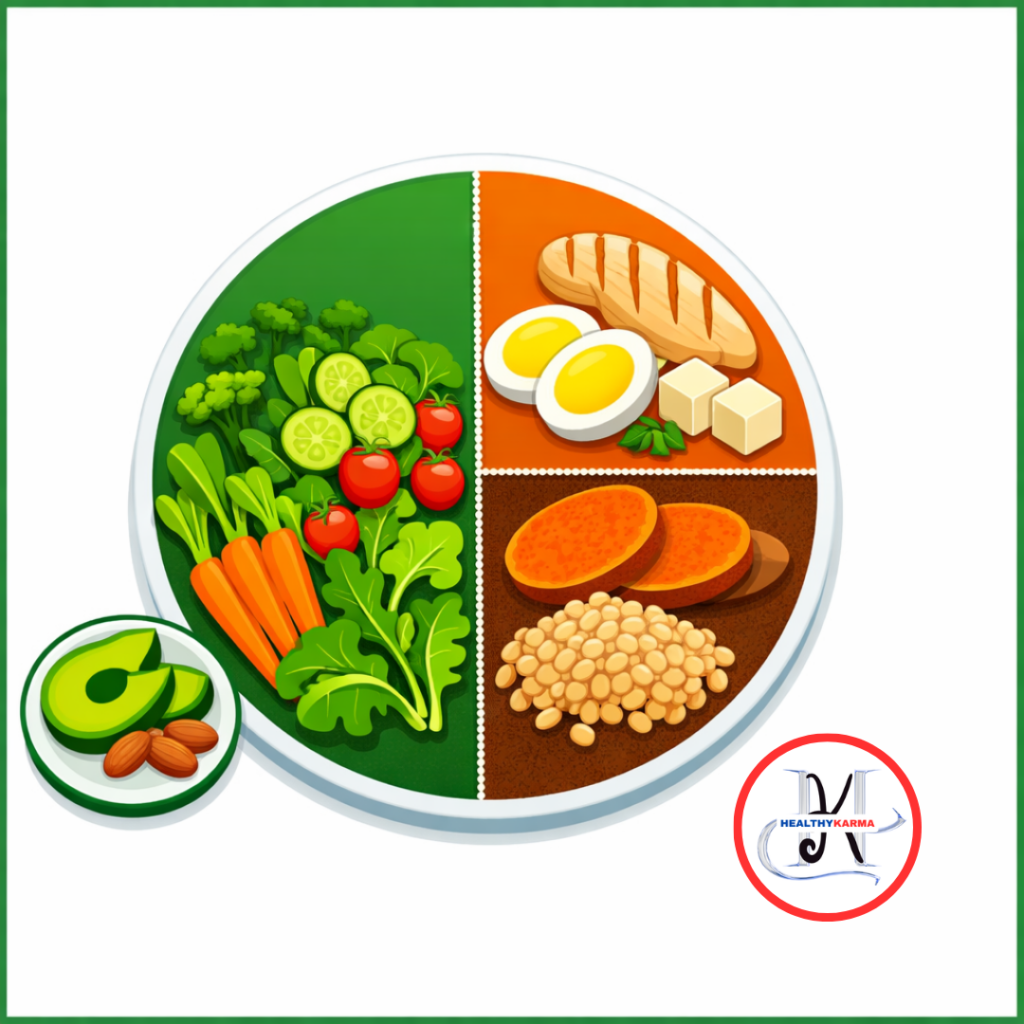
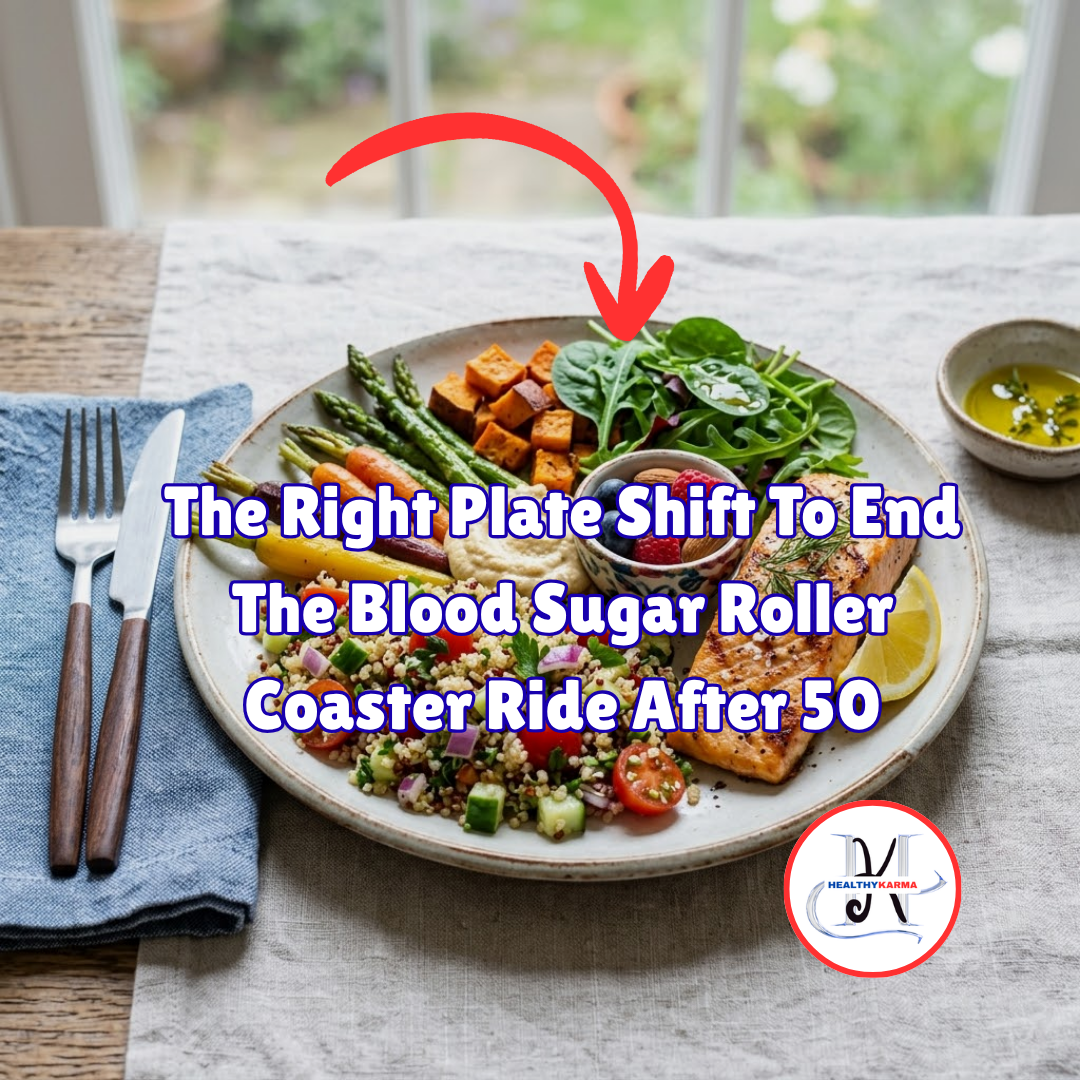
The ultimate fix: Breaking your fast with the right type of foods that keep insulin stable is the key here. Make the 3-Part Plate rule an integral part of a healthy lifestyle during every meal intake: Start with a solid source of lean protein during breakfast, a big handful of fiber-rich vegetables, and healthy fats.
This combination with the right ingredients provides a gentle, steady release of energy, keeping your insulin levels running smoothly and your body’s metabolism humming.
Managing sustainable weight loss isn’t about shoving and punishing yourself and your body through a 16-hour hunger window. It is is more about creating a lifestyle that you can maintain easily as a long-term measure.
If your weight loss strategy relies on constantly ignoring your body’s natural hunger cues through caloric restriction, rather than consuming a balanced and nutritious diet, you are definitely setting yourself up for burnout in the long term.
Furthermore, as part of the natural aging process, once our bodies start aging, preserving lean muscle mass is critical for keeping our body’s metabolism level in shape.
Prolonged fasting windows, depriving the body of the right type of nutrition and not managing the body’s metabolism through proper exercises such as strength training, can many times lead to muscle loss. When the body loses muscles, the body’s resting metabolic rate drops, making long-term weight management even harder, particularly at a higher age.
When you have a pre-existing metabolic condition in the body, going for intermittent fasting forces you to become aware of your food choices and restricts the foods that you can put on the plate.
You can’t just eat empty calories; every bite that you take in needs to nourish the body in an effective manner. This requires a shift in your mindset from “What are the foods can I eat?” to “What will eating these foods heal my body?”
Have you ever noticed what happens when you pull a rubber band or a spring and let it go? It goes back to its original shape, right? In the same manner, the body has its own unique rebound effect on weight loss strategies.
This is one question most fasting gurus won’t answer. Let’s say you follow an intermittent fasting protocol for six months. You lose weight, which leads to a sense of happiness and achievement.
But eventually, it is the body that ultimately has its way. Weight loss plateaus start forming as part of the natural process, and there is no sign of weight loss after a point in time. The scale remains constant.
In the meantime, following the fasting window as part of a busy schedule becomes too stressful, and you decide to return to eating three standard meals a day. What happens next?
When you discontinue intermittent fasting, your body’s systems undergo a rapid adjustment for the nutritional deficiency caused due to intermittent fasting. Here’s what happens behind the scenes inside your body:
When in a state of fasting, the body adapts to the condition by artificially altering the production of hormones in the body that primarily include Ghrelin (which controls hunger levels in the body) and Leptin (the hormone that manages fullness levels in the stomach), among others.
After the initial fasting period, when you suddenly expand your eating window and alter your eating habits to include 2 or 3 meals per day, these hormones often go into overdrive to make up for the levels that were lost during the fasting period.
As the production levels of these hormones increase, you may start experiencing intense, sudden cravings and feel hungrier than you did before starting the intermittent fasting process.
During the fasting process, in order to make up for the caloric deficiency, the body’s system dips into its glycogen levels (carbs stored as energy reserves) that are burnt as fat. This burning of stored fat levels in the body is what causes weight loss.
Glycogen, as part of its natural composition, holds onto water to solidify and therefore manages to curb the levels of water weight in the body. With the resumption of the normal eating process, the glycogen stores suddenly replenish and start releasing large amounts of water in the body, which leads to a sudden surge of water weight levels in the body.
In certain cases, seeing the scale jump up 2 to 4 kilos in a week can be incredibly discouraging, even though it may not be initial fat gain in reality.
If your weight loss strategy consisted of losing weight by severely restricting your calories through intermittent fasting, your metabolism levels suddenly slowed down in order to conserve energy.
When you start eating normally again, the slower metabolism rate to which the body has adapted is suddenly faced with a higher calorie intake. This is the primary reason why people regain the weight and often add a few extra pounds on top, sometimes even more than what they have lost during the entire intermittent fasting process, once they stop the fasting protocol.
Let’s say you are doing great, but then the weekend hits in. You go out for dinner with friends, completely lose track of your eating window, and eat past your cutoff time. What kind of results can you expect? Will you gain all your weight back?
Here is the golden rule of healthy living that you need to follow: Progress over perfection. As part of your eating habits, one slip-up, one missed window, or one heavy meal will not destroy your metabolic health, just like one salad won’t make you instantly slim.
Your body is incredibly resilient. If you occasionally slip up but stick to your routine 80-90% of the time, you will still see fantastic, sustainable results. The people who fail at intermittent fasting aren’t the ones who make mistakes; they are the ones who let one mistake turn into a total mindset collapse. Forgive yourself, enjoy the meal, and simply start your next window on time.
Intermittent fasting amplifies the effects of your food choices and enhances your relationship with food. It makes good choices better, but it can also make bad choices hit your system faster than the good choices.
If intermittent fasting feels like a temporary fix that leaves you stressed and hungry, what is the alternative? Sustainable weight loss after 50 doesn’t require starving your body through strategies such as intermittent fasting.
It’s high time you ditched the rigid schedules. Instead of fasting, eat when you are genuinely hungry, and stop when you are satisfied. Your body knows better what it needs; you just have to relearn how to listen to the signals that it is giving out.
Protect the muscle mass in your body once you reach the age of 50 and above by eating the right amount protein at every meal and incorporating light strength training or daily walking into your routine, as an added health measure. Muscle is your metabolic engine! Therefore, in order to keep it running efficiently, you need to feed it with the right type of fuel.
Here is the ultimate question that most proponents of intermittent fasting will be hesitant to answer: What happens when you stop intermittent fasting? Does a combination of intermittent fasting and a balanced diet make a difference in the long run?
Intermittent fasting is a tool, not a life sentence, that one needs to hand out in life. The goal isn’t about fasting forever; the goal is to heal your metabolism levels in the body so you can live your life freely.
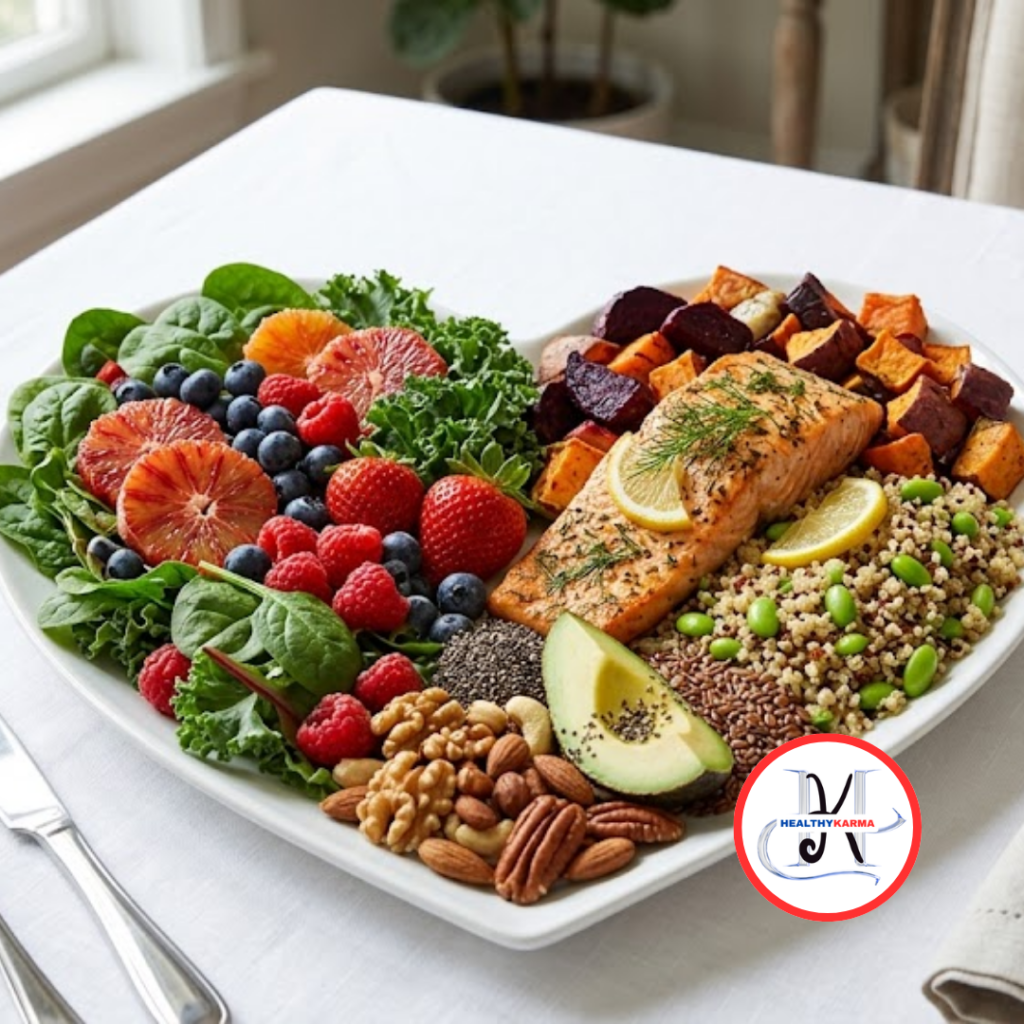
If you use intermittent fasting as a base strategy to lose weight and then transition into a balanced, nutrient rich plate (like the 3-Part Plate) once you reach your goal, you can absolutely maintain the results that you have already got on your weight loss efforts. The key is how you transition from one phase to another.
On the other hand, moving on from intermittent fasting and immediately returning to mindless snacking habits that include your favourite brand of cookies and soda, the weight that is lost will come back.
However, if you continue to use the eating habits and the knowledge gained about the nutritional aspects of your body, as a guide for building your new diet plan, your body will adapt the new system in a smooth and sustainable manner.
Intermittent fasting can be a great, useful short-term tool to reset eating habits, but it is rarely a long-term strategy for better weight management. If stopping the fast leads to rebound weight gain, it is an indication that the root metabolic issues in the body were never addressed during the fasting process.
Instead of restricting your hours as to your eating habits, focus on enriching your meals with the right nutrients. Sustainable weight loss is about making progress steadily, rather than perfection about focusing on what to eat and what not to eat. It’s about making the right food choices that support your body’s energy needs without taking unnecessary stress.